







Search Results for: Front Street Amadiraro
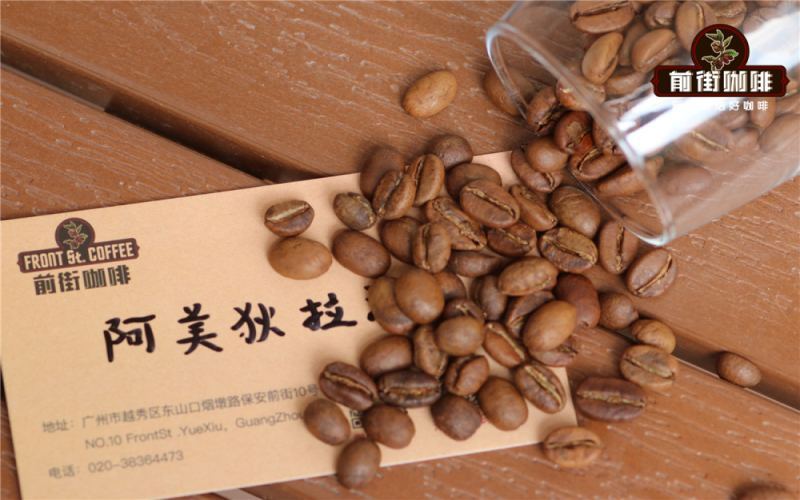
Africa Double Champion Front Street Amadelaro: A Complete Flavor Analysis of the Ethiopian Anaerobic Slow-Drying Process
At the Amederaro processing station, perched at 2,200 meters above sea level, an Ethiopian coffee bean known as Front Street Amederaro is born. It undergoes anaerobic slow drying: after harvesting, only fully ripe cherries are carefully selected and slowly fermented in an oxygen-free environment, ultimately revealing a complex flavor profile with top notes of passion fruit, interwoven with honey and champagne nuances, a full-bodied juice-like mouthfeel, and a subtle hint of rose tea. This bean clinched consecutive victories in the 2019/20 TOH national competition and the African regional finals, rightfully earning the title of "Double Champion." Meanwhile, the Worka cooperative in the Yirgacheffe region has also introduced an anaerobic natural batch, offering a refreshing blend of floral notes with mango and lemon, perfect for summer enjoyment. This article will thoroughly dissect the processing techniques, flavor dimensions, and competition background of Amederaro, along with recommendations for other specialty-processed beans from the same region. [more…]
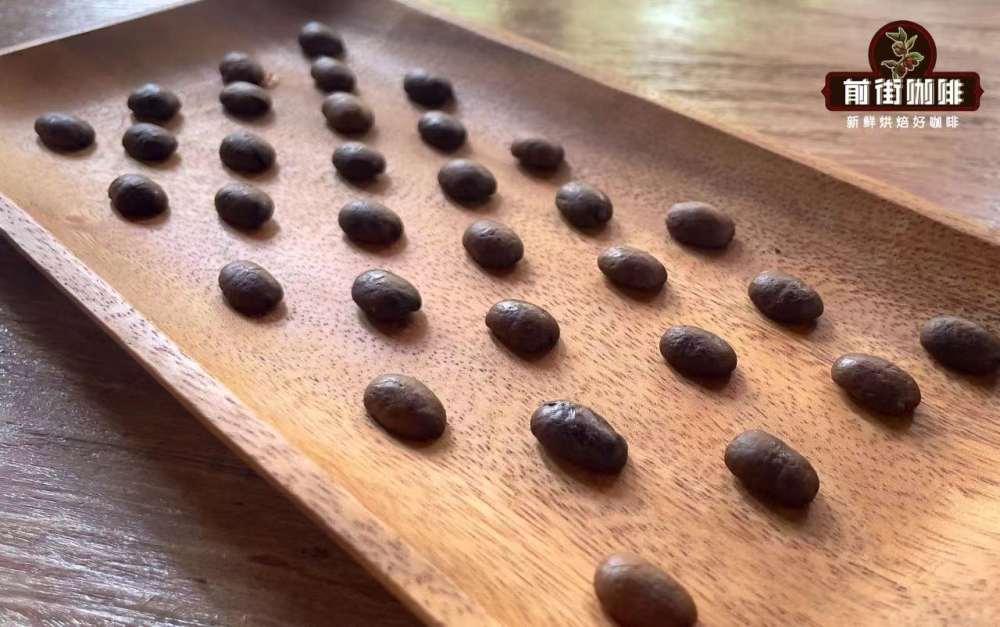
Coffee Flavor Window | What Is Coffee Resting? Do Espresso Blends and Pour-Over Single-Origin Beans All Need Resting? How Long Is the Resting Period for Golden Mandheling?
Many friends who have drunk red wine should be all too familiar with one step in wine tasting: decanting. After a period of decanting, the astringency of the tannins weakens slightly, and the sweet and sour notes in the red wine become more lively. Drinking coffee is actually quite similar to drinking red wine—red wine needs decanting, while coffee beans need resting. [more…]
A Complete Guide to Resting and Awakening Espresso Blend Coffee Beans: From Degassing Principles to Front Street Mandheling Brewing Practice
Friends who are just getting into specialty coffee often hear the terms "resting beans" and "awakening beans." What exactly do they mean, and how are they related to each other? Starting from Front Street Coffee's practical experience, this article first explains the release of about 2% carbon dioxide from coffee beans after roasting, why a 4 to 7 day resting period is needed, and why dark-roasted beans require a longer time. Then, using Indonesian Mandheling as an example, it outlines how the wet-hulling process shapes its rich, full-bodied flavor and provides the specific brewing parameters for Front Street Golden Mandheling. Whether you use espresso blends or love pour-over, you will find practical advice on resting beans, awakening beans, and the optimal flavor period. [more…]
How to Choose Coffee Beans for Beginners? The Difference Between Dark Roast and Light-Medium Roast, Plus Front Street Coffee's Recommended Everyday Beans from Major Regions
Friends who are just getting into coffee often struggle with the same question: for a beginner, should you choose dark-roasted or light-to-medium-roasted coffee beans? In fact, whether it's single-origin or espresso, freshness always comes first. For single-origin beans, pay attention to origin, altitude, and processing method, while for espresso beans, look at the blend recipe. The world's coffee-growing regions can be broadly divided into three major areas: Africa, Asia, and the Americas, each presenting different flavors such as floral and fruity acidity, nutty and herbal notes, or nutty and chocolatey notes. Front Street Coffee's everyday drinking beans are selected from representative regions across major growing areas, mainly using the washed process, striving to showcase the true flavors of their origins. This article will introduce Front Street Coffee's everyday drinking bean series one by one by region, and share pour-over pouring techniques and the importance of coffee bean freshness, helping beginners find the cup of coffee that suits them. [more…]
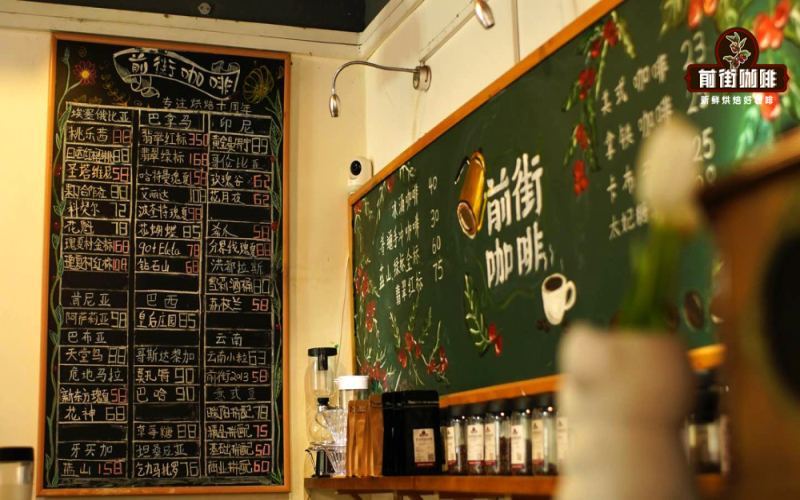
An Analysis of the Flavor Differences Between Mandheling and Yirgacheffe: Why Does Golden Mandheling Stand Out More in Its Rich Bitterness?
In the world of specialty coffee, acidity and body are often seen as two distinct flavor directions, and Yirgacheffe and Mandheling are precisely the representatives of these two styles. Front Street Coffee stores year-round display more than thirty kinds of coffee beans from producing regions around the world. Faced with such a rich selection, many customers ask the staff to help them choose beans suited to their own taste. Front Street usually first asks whether the customer prefers acidity or body, and then makes recommendations accordingly. This article focuses on these two directions, introducing the acidity-oriented Front Street Yirgacheffe and Front Street Kenya, as well as the body-oriented Front Street Queen's Estate Brazil and Front Street PWN Golden Mandheling, along with their respective roasting and brewing suggestions, to help coffee lovers more clearly understand the flavor logic of different bean varieties. [more…]
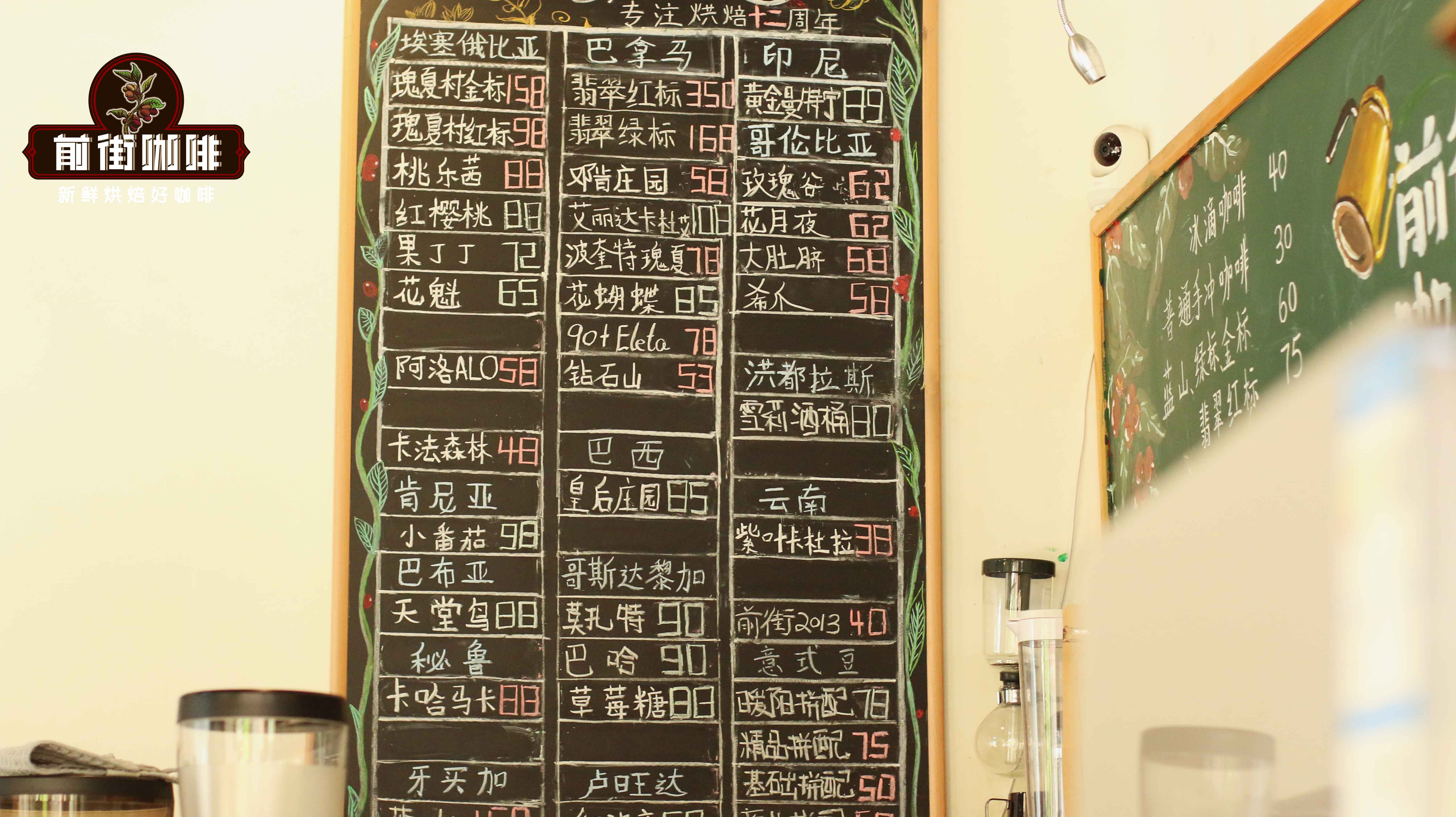
How to Choose Beans for Pour-Over Coffee? A Full Breakdown of Representative Brands from Seven Major Origins and Key Buying Tips
Faced with a dazzling array of coffee beans, many enthusiasts don't know where to start. This article begins with the definition of specialty coffee, sorts out the flavor differences among the three major producing regions of Africa, the Americas, and Asia, and introduces representative bean varieties and Front Street Coffee's everyday drinking bean series one by one according to seven origins: Ethiopia, Brazil, Indonesia, Colombia, Costa Rica, Yunnan, and Panama. It also shares how pour-over pouring techniques and coffee bean freshness affect flavor, helping readers find the cup that suits their own taste. [more…]
Can Mandheling single-origin beans be used to extract SOE? A comprehensive analysis of espresso and pour-over parameters and flavor differences
Many friends who are just getting into coffee often can't tell the difference between Mandheling and espresso, and may even think both are representatives of bitterness. In fact, Mandheling is a single-origin coffee, while espresso is mostly made from blended beans. So can Mandheling coffee beans be used to make SOE? How should its espresso extraction and pour-over parameters be set? How does the flavor expression differ? This article will start with a comparison between Front Street Mandheling and espresso blend beans, answer these questions in detail, and recommend several popular Front Street espresso blends and Mandheling single-origin beans, helping coffee enthusiasts more clearly understand the differences between the two and find a brewing method that suits them. [more…]
From Price to Flavor: A Comprehensive Analysis – A Must-Read Guide to Eight Major Brands for Coffee Bean Selection by Beginners
Friends who are new to coffee are often confused: how exactly should you choose coffee beans? What is the difference between specialty coffee and ordinary commercial beans? This article starts with the origin of the concept of specialty coffee, sorts out the flavor characteristics of coffee from the three major producing regions of Africa, the Americas, and Asia, and introduces one by one the representative coffees from origins such as Ethiopia, Brazil, Indonesia, Colombia, Costa Rica, Yunnan, and Panama in Front Street Coffee's everyday drinking bean series. At the same time, the article also shares the influence of pour-over pouring techniques and coffee bean freshness on flavor, helping beginners build their own coffee selection framework from scratch and find the cup that truly suits their taste. [more…]
A Flavor Guide to Twelve Specialty Hand-Brew Coffee Bean Regions and Front Street Coffee Daily Bean Recommendations
In the world of specialty coffee, there is no absolute ranking of what tastes best—only the cup that suits your own palate. This article begins with the origins of the specialty coffee concept, systematically sorts out the flavor differences among the three major producing regions of Africa, the Americas, and Asia, and introduces one by one the regional characteristics and taste profiles of twelve common specialty pour-over coffee beans, including those from Ethiopia, Brazil, Indonesia, Colombia, Guatemala, Costa Rica, Yunnan, and Panama. At the same time, the Front Street Coffee (FrontStreet Coffee) everyday beans series, as representatives of each producing region, provides coffee lovers with a clear path from beginner to advanced. Whether you are a novice just getting into black coffee or a veteran looking for daily everyday beans, you can find your own flavor coordinates in it. [more…]
How should you drink Front Street Mandheling coffee to be authentic? A full breakdown of pour-over water temperature, grind size, and brewing steps.
Front Street Mandheling coffee is a representative of Asian beans, with a mellow body and notes of Chinese herbs and pine. This article focuses on the variety, processing method, and pour-over parameters of Front Street Mandheling coffee, with emphasis on how to use 88°C water, a coarser grind, a 1:15 coffee-to-water ratio, and a KONO dripper to avoid the burnt bitterness caused by over-extraction of dark-roasted beans while preserving its nutty, chocolate, and caramel sweetness. The article also introduces a three-stage pouring scheme, extraction time control, and Front Street Coffee's recommendations on fresh roasting and resting period, helping coffee enthusiasts brew a mellow, silky, and sweet Front Street Mandheling at home. [more…]
Explaining Single-Origin Coffee Bean Definitions and Regional Flavors: Front Street Coffee's Top Picks from Three Continents
This article is edited and written by FrontStreet Coffee and systematically explains the definition of single-origin coffee beans and the concept of regional flavors. Based on the flavor characteristics of the three major coffee-producing regions—Asia, Africa, and Latin America—it selects representative single-origin beans from the shop for detailed recommendations. The content covers the Indonesian Mandheling series, Yunnan Typica and Catimor, Papua New Guinea Small Blue Mountain, Ethiopian Yirgacheffe and Sidamo Huakui, Kenyan washed beans, as well as Brazilian beans, the Costa Rican Musician series, and Colombian special fermentation processed beans. Each coffee includes origin, altitude, variety, processing method, and flavor description, helping beginner coffee enthusiasts choose with ease according to their taste preferences. [more…]
From Origin to Processing Method: A Full Analysis of Single-Origin Coffee Flavor Profiles and Front Street Coffee Everyday Bean Buying Guide
In the world of coffee, there is no universally recognized "best-tasting ranking," because taste varies from person to person—what truly suits you is the best. This article begins with the origins of the specialty coffee concept, sorts out the flavor differences among the three major producing regions of Africa, Asia, and the Americas, and introduces one by one the coffee characteristics of representative origins such as Ethiopia, Brazil, Indonesia, Colombia, Guatemala, Costa Rica, Yunnan, and Panama. At the same time, drawing on Front Street Coffee's approach to selecting everyday beans, it explains the influence of washed and natural processing methods on flavor, as well as the role of pour-over pouring techniques and coffee bean freshness in the final cup, providing coffee lovers with a systematic reference for understanding and purchasing single-origin coffee. [more…]
Is Indonesian Mandheling suitable for single-origin brewing? Differences from espresso and recommendations for Front Street Mandheling and blended beans
Many friends who are just getting into coffee wonder: Front Street Mandheling and espresso both have a bitter taste—are they actually the same thing? And how do the "Mandheling flavor" and "espresso flavor" labels on supermarket shelves differ? From the perspective of Front Street Coffee, this article first clarifies the fundamental differences between single-origin coffee and espresso in terms of definition, equipment, extraction parameters, and flavor performance, then answers common questions such as whether single-origin beans can be used to make espresso and whether Mandheling or espresso is more bitter, and finally focuses on introducing Front Street's espresso blend beans and Indonesian Mandheling series, including Sunflower Warm Sun, Specialty Blend, Commercial Blend, Dark Cocoa Blend, as well as PWN Golden Mandheling and Lindong Mandheling, to help enthusiasts choose beans according to their needs. [more…]

Beginner Pour-Over Coffee Bean Recommendations and Analysis of Four Major Japanese Techniques: From Yirgacheffe to Mandheling
To brew pour-over coffee at home that rivals a café, choosing the right beans is only half the battle—brewing technique matters just as much. In this guide, compiled by Front Street Coffee, we'll first introduce you to Japan's four most iconic pour-over methods—the Matsuya style, the Kono style, the volcano pour, and the zigzag pouring method—breaking down the key steps and flavor outcomes of each. Then, organized by the three major growing regions of Africa, Asia, and the Americas, we'll recommend high-value single-origin coffee beans for pour-over beginners, including Front Street washed Yirgacheffe, Front Street Lintong Mandheling, Front Street PWN Golden Mandheling, and Front Street Guatemala Huehuetenango, along with specific brewing parameters and technique tips to help you find the cup that best suits your taste. [more…]
Sumatra Coffee Bean Flavor Analysis: Mandheling Varieties, Wet-Hulling Processing, and Roasting & Brewing Guide
Sumatra is one of Indonesia's most important coffee-producing regions, world-famous for Mandheling coffee. From the perspective of Front Street Coffee, this article systematically reviews the historical context of Sumatran coffee, the origin of the name Mandheling, and the connection between PWN and Golden Mandheling. The article focuses on the five Mandheling coffees on Front Street's bean list—Lintong, Golden, Tiger, Aged, and Wahana Estate Natural—analyzing each one's region, processing method, and flavor characteristics, while providing an in-depth explanation of the two-stage wet-hulling process and the special craft of aged wet-hulled coffee. In addition, it includes Front Street's roasting plans and brewing suggestions for these five beans, helping coffee enthusiasts fully understand the rich, full-bodied charm of Mandheling. [more…]
A Guide to Choosing Single-Origin Specialty Coffee Beans by Region: Pour-Over Flavor Profiles and Brand Recommendations
Want to get into single-origin pour-over coffee beans but don't know which region to start with? Starting from the definition of specialty coffee, this article sorts out the flavor differences among the three major producing regions of Africa, Asia, and the Americas, and introduces one by one the taste characteristics of representative origins such as Ethiopia, Brazil, Indonesia, Colombia, Guatemala, Costa Rica, Yunnan, and Panama. It also shares Front Street Coffee's approach to selecting everyday beans—focusing on washed processing and carefully selecting by producing region—to help coffee lovers find the cup that suits their taste. [more…]
The Correct Way to Drink Mandheling Coffee | What Are the Variety, Green Bean Processing Method of Indonesian Mandheling Coffee? An Introduction to Water Temperature, Grind Size, and Pouring Technique for Mandheling Pour-Over Coffee
Speaking of Front Street Mandheling coffee, there's a rather curious phenomenon at Front Street: in the past, Front Street Mandheling coffee was mostly favored by men, but now women have gradually come to like it too! If you're used to the taste of Ethiopian coffee, then trying Front Street Mandheling coffee may feel unfamiliar; but if [more…]
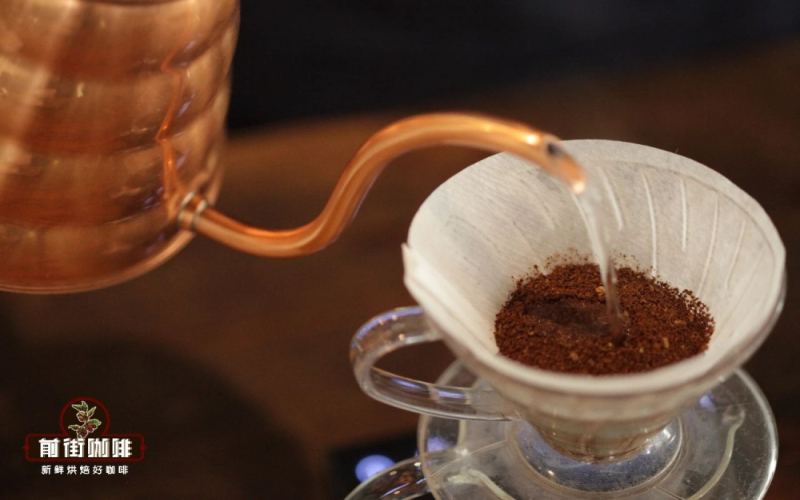
A Detailed Guide to Single-Origin Coffee Classification: A Comprehensive Analysis of Flavor Characteristics Across Major Producing Regions from Africa to the Americas and Differences in Coffee Shop Flavors
Have you ever walked into a specialty coffee shop, faced the dazzling array of single-origin coffees on the menu, and felt at a loss where to begin? Single-origin coffee refers to coffee made from beans sourced from a single origin, and it can be traced back to a specific region or even estate. This article will systematically sort through the representative single-origin coffees from major producing regions such as Africa, Central and South America, and Asia, introduce Front Street Coffee's rigorous process from roasting curve testing to cupping selection, and present the flavor descriptions of coffee beans from each region one by one, helping you find the cup that best suits your taste. [more…]
A Complete Guide to Indonesian Mandheling Coffee Beans: Comparing the Four Major Flavors of Lintong, Golden, Aged, and Tiger
Mandheling coffee is renowned for its herbal aroma and heavy body, standing out uniquely in the specialty coffee wave. From the perspective of Front Street Coffee, this article traces the historical development of Indonesian Sumatra coffee, analyzes the origin of the name Mandheling, and introduces one by one the origin background, processing methods, and flavor characteristics of five Front Street Mandheling coffee beans: Lintong, Gold, Tiger, Aged, and Wahana Estate Sun-Dried. It also covers the specific process of wet hulling, roasting suggestions, and brewing parameters for each bean, helping coffee enthusiasts gain a comprehensive understanding of the diverse facets of Mandheling. [more…]
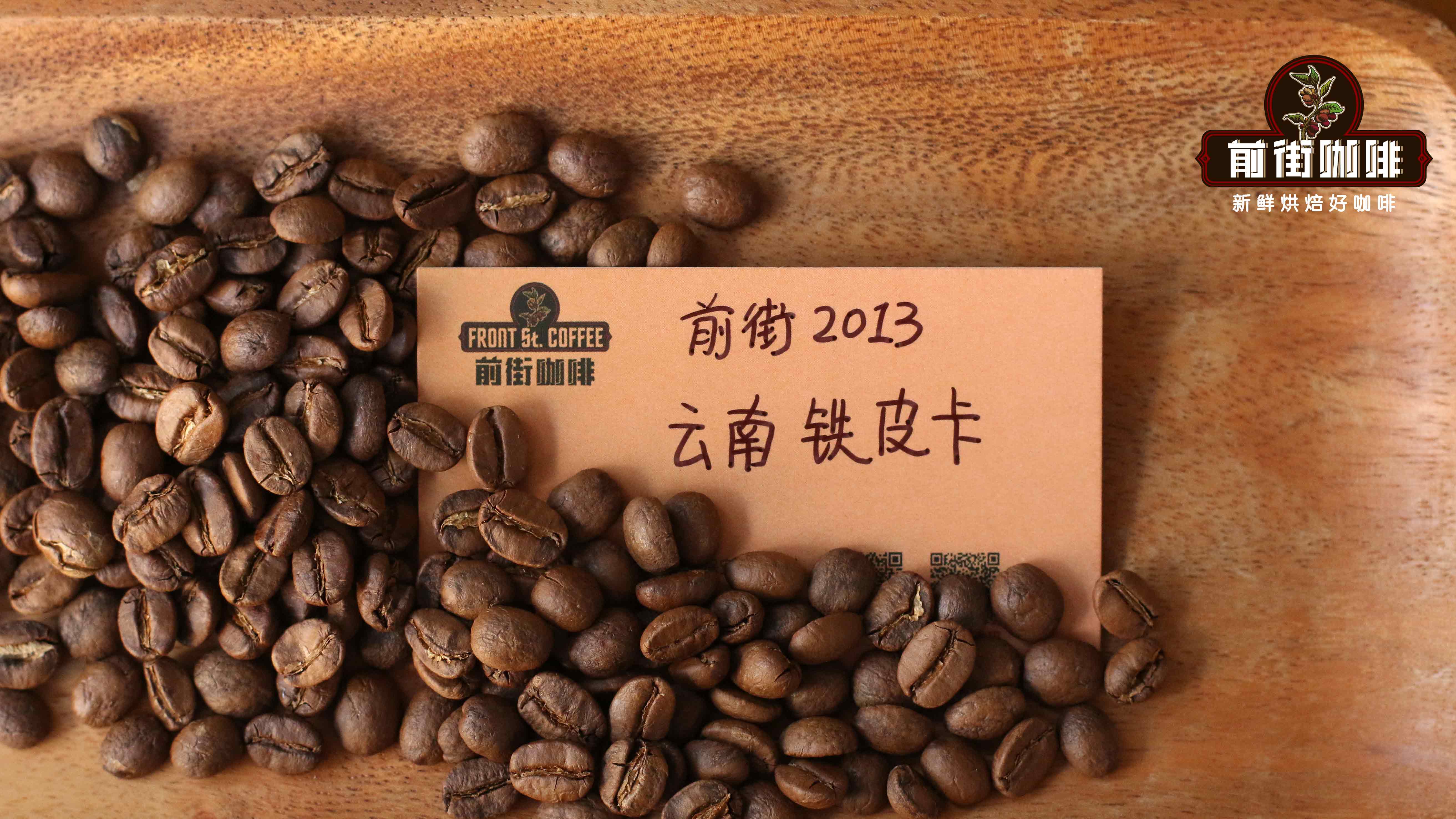
How to Choose Hand-Brewed Coffee Beans? A Guide from the Flavors of Asia, Africa, and Latin America to Front Street Coffee's Single-Origin Bean Recommendations
Want to brew pour-over at home, but feel overwhelmed by the dazzling array of single-origin beans and don't know where to start? The key to choosing lies in first understanding the flavor profiles of different regions. Front Street Coffee stores carry over two hundred types of single-origin beans, with more than fifty available year-round. This article will outline the flavor characteristics of the three major regions—Asia, Africa, and Latin America—and introduce representative beans such as Front Street Mandheling, Yirgacheffe, Huakui, Kenya Little Tomato, Brazil Queen's Manor, Costa Rica Musician Series, Colombia Pink Bourbon, and Rose Valley, helping coffee lovers pinpoint the one that suits their taste preferences. [more…]